In the construction industry, a successful construction project has traditionally been defined by three variables: time, cost, and scope.
If a project is delivered on schedule, within budget, and as specified, it is often considered a success. Many firms still rely on these as core criteria for construction project success.
However, today’s market demands a broader view. Meeting deadlines and budgets does not always guarantee construction project success from a business standpoint.
So, what makes a construction project successful in today’s environment?
The answer lies in how well the project performs after delivery. How it supports operations, drives efficiency, generates long-term value, and financial performance.
This shift reflects a transition from a transactional mindset, focused solely on delivery, to a strategic approach in which construction project management prioritizes long-term business performance and lifecycle value.
From Project to Strategic Asset
A building is more than a completed project—it is a long-term asset that directly impacts business performance and operational efficiency.
Understanding what makes projects successful requires shifting from a delivery-focused mindset to a value-driven approach to construction project management.
A truly successful approach to construction project management strategy considers:
- Operational efficiency
- Speed to market
- Scalability
- Sustainability
- Long-term financial performance and ROI
This is where construction project performance evaluation becomes critical, not just at completion, but throughout the entire lifecycle.
Rather than relying solely on lagging indicators such as budget and schedule, leading indicators should be used to anticipate performance outcomes and guide decision-making early in the project lifecycle.
Key Metrics to Evaluate Construction Project Success
To properly assess construction project performance, companies must go beyond traditional KPIs and adopt a more comprehensive set of construction project performance metrics.
These metrics should integrate both operational and financial dimensions, providing actionable insights that improve decision-making before project completion.
1. Operational Impact
One of the most important construction project success factors is how well the facility supports the client’s operations.
A project that aligns with workflows, logistics, and production needs enables immediate functionality and efficiency.
This is a key part of construction project design evaluation, ensuring that the facility is built for performance, not just completion.
Evaluating operational impact requires close collaboration between project teams and stakeholders to ensure every square foot contributes to business outcomes and minimizes post-occupancy inefficiencies.
2. Layout Efficiency and Process Optimization
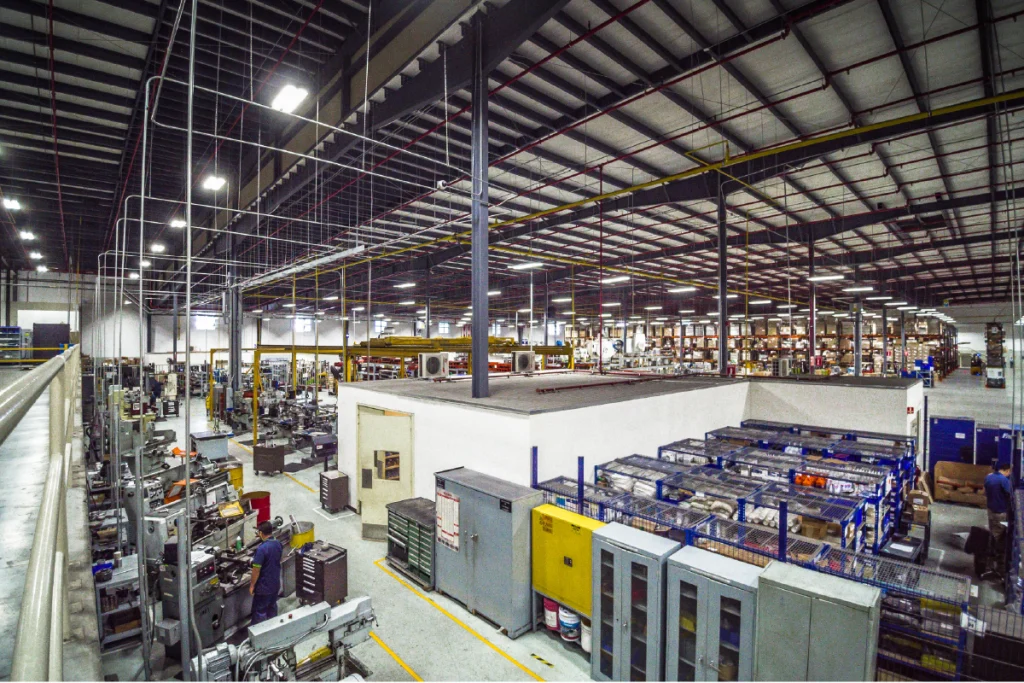
Layout design directly affects productivity.
Metrics such as workflow efficiency, travel distances, and process integration fall under construction project quality metrics and play a crucial role in operational success.
These elements are essential when analyzing project performance in construction.
Advanced tools such as Building Information Modeling (BIM) and generative design can be used to simulate layouts and optimize internal logistics before construction begins, reducing long-term operational costs.
3. Speed to Market
The speed at which a project becomes operational directly impacts the return on investment (ROI) in construction projects.
A delayed start-up can result in lost revenue and missed business opportunities.
For this reason, proper preconstruction planning helps anticipate risks and accelerate project delivery timelines. Reducing the time to operational readiness improves cash flow and overall project profitability.
Likewise, it is important to note that executing a project under a Fast-Track (Design-Build) delivery model can help achieve substantial completion and operational start-up at least 4 months earlier than the traditional design-bid-build approach.
4. Maximizing Land Value and Use
A successful project also considers how to maximize the value and potential of the available site through a well-defined property master plan.
This is part of the preliminary analysis conducted during the project’s preconstruction phase and helps determine the optimal placement of buildings while maximizing land-use allowances and site constraints. At the same time, it contributes to increasing the asset’s long-term profitability and value.
5. Flexibility and Scalability (Master Planning)
Business needs evolve, and facilities must adapt.
Scalability is one of the key factors in a construction project’s success, enabling future expansions without disrupting operations.
A well-developed master plan is a strong indicator of successful construction project management and long-term asset performance.
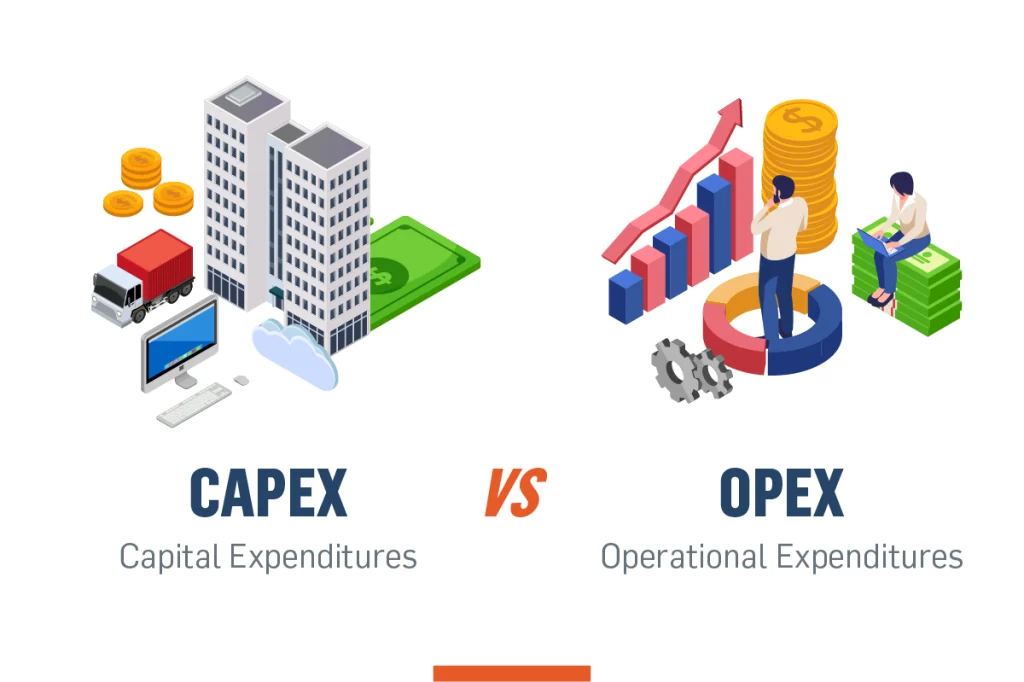
6. Total Cost of Ownership (OPEX vs CAPEX)
Initial construction cost (CAPEX) is only part of the equation.
A complete construction project evaluation process includes long-term operational costs, such as:
- Energy consumption
- Maintenance
- System efficiency
These factors are essential for how to measure ROI on construction projects finance data and ensure strong financial performance.
Life-cycle costing and value engineering strategies help balance CAPEX and OPEX decisions, optimizing total cost of ownership over time.
7. Sustainability and Environmental Performance
Sustainability is now a key driver of construction project success factors.
Incorporating environmentally responsible strategies can improve both operational efficiency and asset value.
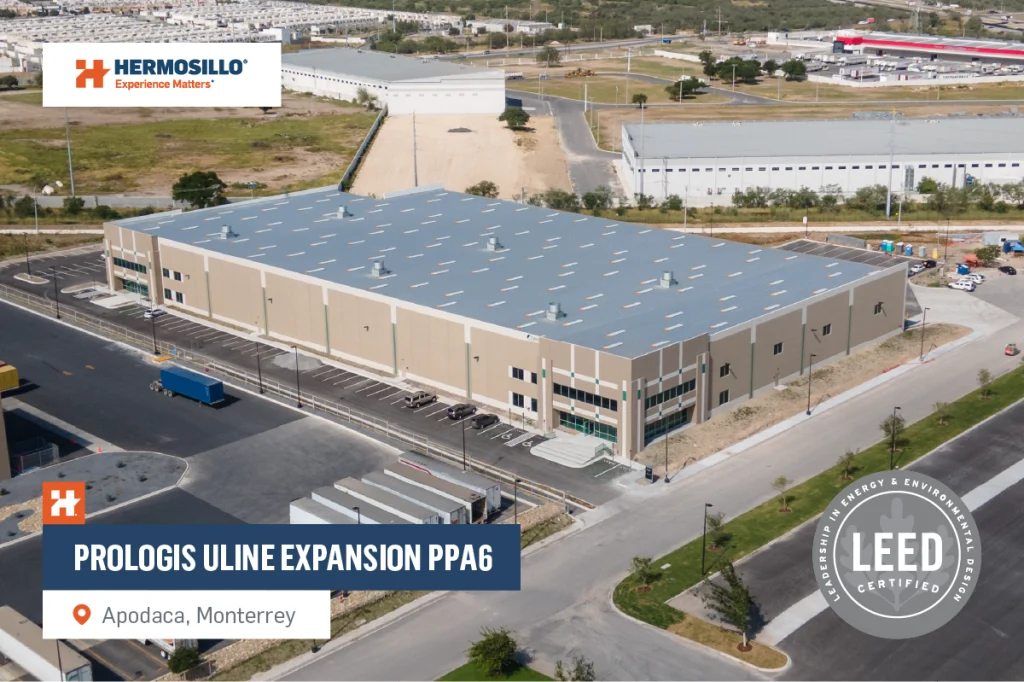
Projects that pursue certifications like LEED certification benefit from reduced environmental impact and enhanced market perception.
These initiatives also contribute to better construction project performance and quality outcomes.
Sustainable design also reduces regulatory risk and improves long-term asset resilience in changing environmental conditions.
The Role of Preconstruction in Project Success
Many of the most critical decisions affecting construction project success are made before construction begins.
The evaluation of construction projects should start in the early design and preconstruction phases.
The importance of preconstruction lies in the fact that it is the stage where the project’s most critical decisions are defined.
During the preconstruction phase, opportunities can be identified to:
- Thoroughly understand the client’s needs and properly define them within the project scope
- Optimize the design
- Improve operational efficiency
- Reduce costs
- Integrate sustainable strategies
- Avoid rework caused by a lack of coordination between different disciplines during later project stages
The benefits of preconstruction include better coordination, reduced uncertainty, risk mitigation, and greater control over the final outcome.
In this sense, preconstruction planning becomes a key factor in achieving successful projects. A strong preconstruction process directly impacts the project’s profitability, operational efficiency, and risk reduction.
Innovation, Technology, and Data-Driven Decision Making
Today, digital tools play a major role in construction project performance analysis.
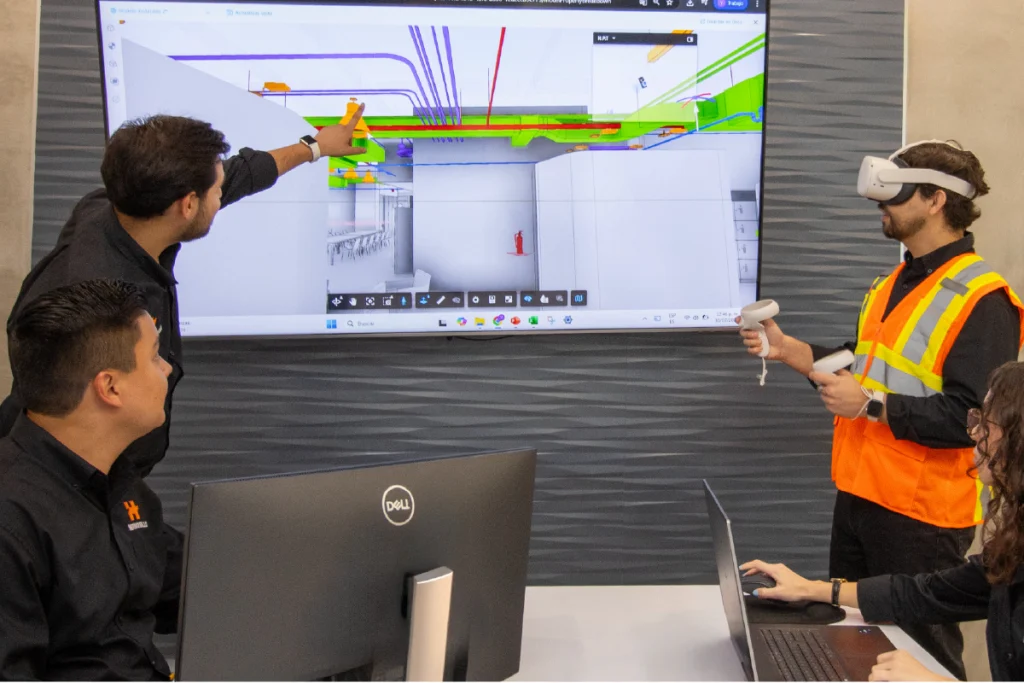
Technologies such as BIM, VDC, and analytics platforms enable teams to simulate outcomes, optimize designs, and track key performance indicators in construction project management.
These tools enhance decision-making and support successful construction project management at every stage.
By creating a centralized source of project data, teams can improve transparency, reduce rework, and make faster, data-driven decisions.
Redefining Construction Success
The definition of success in construction is evolving.
A project is no longer judged solely on delivery—but on performance, adaptability, and long-term value.
Understanding what is project success in project management means recognizing that:
- Success is operational
- Success is financial
- Success is sustainable
Because ultimately, a project doesn’t end when it is delivered—it begins when it starts generating measurable business results. True construction project success is measured by how effectively the asset supports business growth over time.
Our Approach at Hermosillo
At Hermosillo, we understand that project success goes far beyond completing a building. With more than 1,200 projects delivered nationwide and over 60 years of experience, we know that the true value of a project is reflected in our clients’ ability to operate efficiently, grow strategically, and remain competitive in the long term.
Our approach integrates design, technology, sustainability, and strategy from the earliest project stages, ensuring that every decision contributes not only to meeting high-quality standards, but also to maximizing asset value and overall business performance.
Through methodologies such as Design-Build, BIM, VDC, and advanced preconstruction processes, we help our clients reduce risk, optimize resources, and accelerate operational start-up with world-class projects.
If you are looking for a strategic partner and experienced general contractor for industrial, commercial, and specialized projects in Mexico, Hermosillo is ready to help you develop infrastructure designed to support your business growth.
Contact our team to discuss your next project.