A successful construction project starts long before breaking ground. Many decisions that influence cost, schedule, quality, and overall performance are made during the early planning stages.
This is where preconstruction services play an important role. By bringing owners, designers, contractors, and key stakeholders together early, teams can identify potential challenges and risks, establish realistic expectations, and make informed decisions. Effective preconstruction can improve cost control, project scheduling, risk management, and overall construction planning.
For industrial projects, where operational requirements, specialized equipment, and complex building systems must align, preconstruction planning can provide greater project predictability.
So, what exactly happens during preconstruction, and what are its key benefits?
What Are Preconstruction Services?
Preconstruction is the planning and coordination phase that takes place before physical construction begins. Its purpose is to transform the project’s initial goals and design into a realistic execution strategy. In other words, preconstruction services help define how a project will be designed, budgeted, scheduled, coordinated, and executed before construction starts.
Depending on the project and delivery method, preconstruction services may include:
- Site selection and utilities service feasibility analysis
- Preliminary cost estimating and budgeting
- Constructability reviews
- Overall project scheduling
- Value engineering
- Procurement planning
- Design coordination
- BIM and VDC coordination
- Construction logistics planning
- Risk identification and mitigation
- Preconstruction cost analysis
- Budget development and cost control
- Construction planning and coordination
- Production equipment integration
Rather than treating design, budgeting, and construction as separate activities, preconstruction allows these elements to be evaluated together.
For example, if a particular building system meets the design requirements but creates procurement or production equipment installation challenges, the team can evaluate alternatives before construction starts. This early planning can help identify potential issues before they affect the project´s budget or schedule.
The result is greater clarity about what will be built, how it will be built, how much it is expected to cost, and how long it should take to have it accomplished.
1. Greater Cost Certainty
One of the most important benefits of preconstruction services is greater cost visibility early in the project. Early cost planning is one of the key advantages of involving the construction team before the project reaches the construction phase.
During preconstruction, preliminary cost estimates can be developed and continuously refined as the design progresses. This helps owners understand how design decisions, material selections, market conditions, and construction methods affect the overall budget.
Cost planning may include:
- Preliminary and detailed estimates
- Quantity takeoffs
- Material and labor analysis
- Cost benchmarking
- Design-to-budget evaluations (Target Value Delivery)
- Identification and mitigation of risks and its potential cost reduction
- Budget forecasting
Instead of discovering that a design exceeds the budget once construction documents are complete, the team can identify potential gaps earlier and adjust accordingly.
This doesn’t simply mean choosing less expensive options. The objective is to find solutions that provide the best overall value while maintaining the project’s operational, quality, and performance requirements.
2. More Reliable Project Schedules
A construction schedule involves much more than establishing a start and completion date.
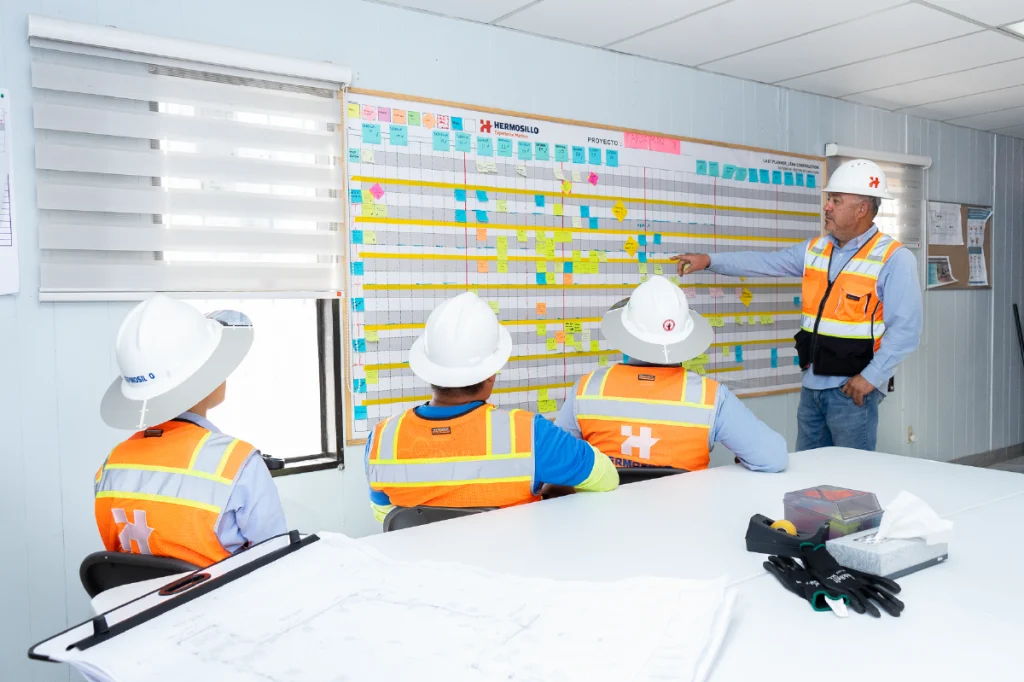
During preconstruction planning, the project team evaluates how design, permitting, utilities, procurement, site preparation, construction activities, and equipment installation will work together.
This allows teams to identify critical milestones and potential schedule constraints before work begins. Early construction scheduling can also help identify long-lead equipment & materials and critical activities that could affect the project timeline.
For example, an industrial facility may require specialized electrical equipment or mechanical systems with long manufacturing and delivery times. If these long-lead items are identified early, the procurement strategy can be adjusted to prevent them from delaying construction.
Early scheduling can account for:
- Permitting requirements
- Design deliverables
- Procurement lead times
- Construction sequencing
- Site´s utilities availability
- Equipment installation
- Testing and commissioning
- Operational milestones
- Long-lead equipment and materials
The result is a schedule based on actual project conditions rather than assumptions.
3. Early Risk Identification and Mitigation
Every construction project involves risk. The advantage of identifying those risks during preconstruction is that the project team has more time—and usually more options—to address them.
Potential risks may include:
- Unforeseen site conditions
- Utility availability
- Permitting requirements
- Design conflicts
- Supply chain constraints
- Construction logistics
- Safety considerations
- Equipment and material availability
- Ongoing facility operations
- Budget and cost escalation
- Schedule delays
- Procurement risks
Consider an expansion within an active manufacturing facility. Construction activities may need to occur without interrupting existing production.
During preconstruction, the team can evaluate access points, temporary circulation routes, work zones, safety requirements, and construction sequencing to develop a strategy that minimizes disruption.
In general, the earlier a risk is identified, the easier it is to develop a proactive solution rather than react to a problem in the field.
4. Improved Constructability
A design may work on paper but still present challenges when it comes time to build it.
Constructability reviews allow construction professionals to evaluate drawings and specifications from a field perspective before construction begins. This process, often referred to as constructability analysis, helps determine whether a design can be built efficiently, safely, and in accordance with the project´s requirements.
The team can assess factors such as:
- Installation sequences
- Structural and MEP coordination
- Material availability
- Site access
- Equipment requirements
- Construction methods
- Opportunities for prefabrication
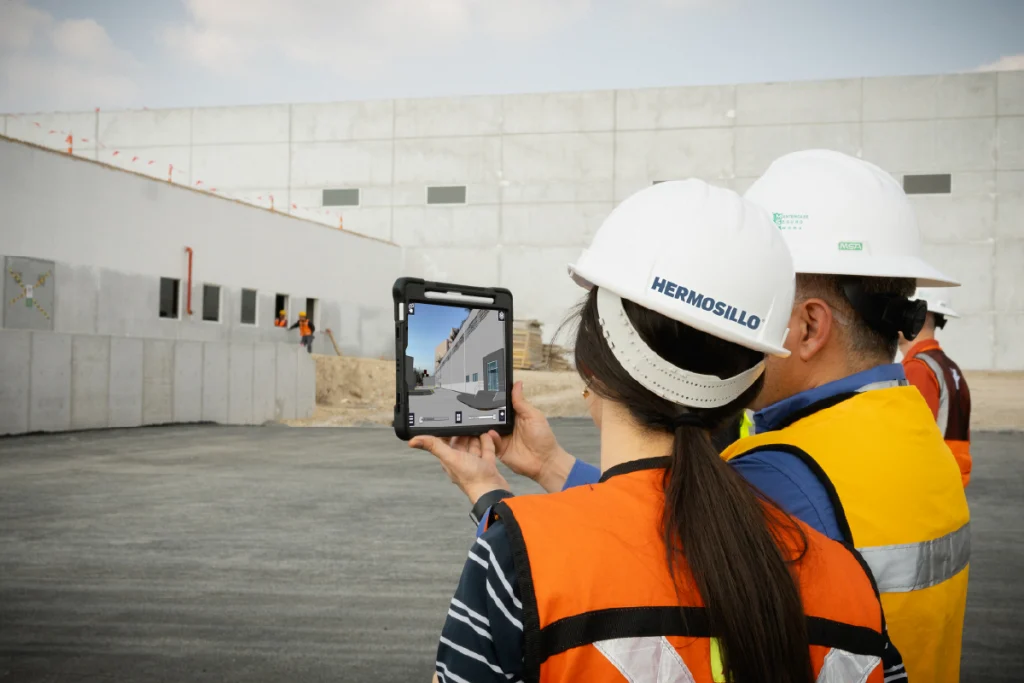
For example, a mechanical system may meet all design requirements yet be difficult to install due to limited access or conflicts with structural elements.
Identifying that issue during a constructability review gives designers and builders the opportunity to coordinate a solution before crews encounter the problem on site.
This can help reduce field conflicts, rework, and unnecessary delays.
5. Better Coordination Between Design and Construction
Preconstruction creates an opportunity for architects, engineers, contractors, specialty trades, owners, and other key stakeholders to collaborate before construction begins.
Instead of waiting until the field to identify discrepancies between disciplines, teams can review how architectural, structural, mechanical, electrical, and plumbing systems interact throughout the design process.
Technologies such as Building Information Modeling (BIM) and Virtual Design and Construction (VDC) can support this coordination. By combining the different disciplines into a federated 3D model and hosting it in the cloud, project stakeholders can remotely access and review the latest project information in a shared environment.
This collaborative approach allows teams to review the project simultaneously, provide feedback, identify potential conflicts, and validate design decisions more efficiently. It can also reduce review times by giving stakeholders access to coordinated and up-to-date project information, regardless of their location.
For example, BIM coordination may reveal that a mechanical duct conflicts with a structural beam. The team can identify the clash within the federated model, coordinate the required adjustments, and validate the solution before materials are fabricated or installed.
For example, BIM coordination may reveal that a mechanical duct conflicts with a structural beam. The team can identify the clash within the federated model, coordinate the required adjustments, and validate the solution before materials are fabricated or installed.
By bringing design and construction teams together in a shared digital environment, early collaboration can improve coordination, streamline project reviews, and help create a design that is both functional and practical to construct.

6. More Opportunities for Value Engineering
Value engineering in construction is often associated with reducing costs, but its purpose goes beyond simply finding cheaper alternatives.
During preconstruction, teams can evaluate different materials, MEP systems, construction methods, and design solutions to determine which option delivers the greatest overall value.
Value engineering may help:
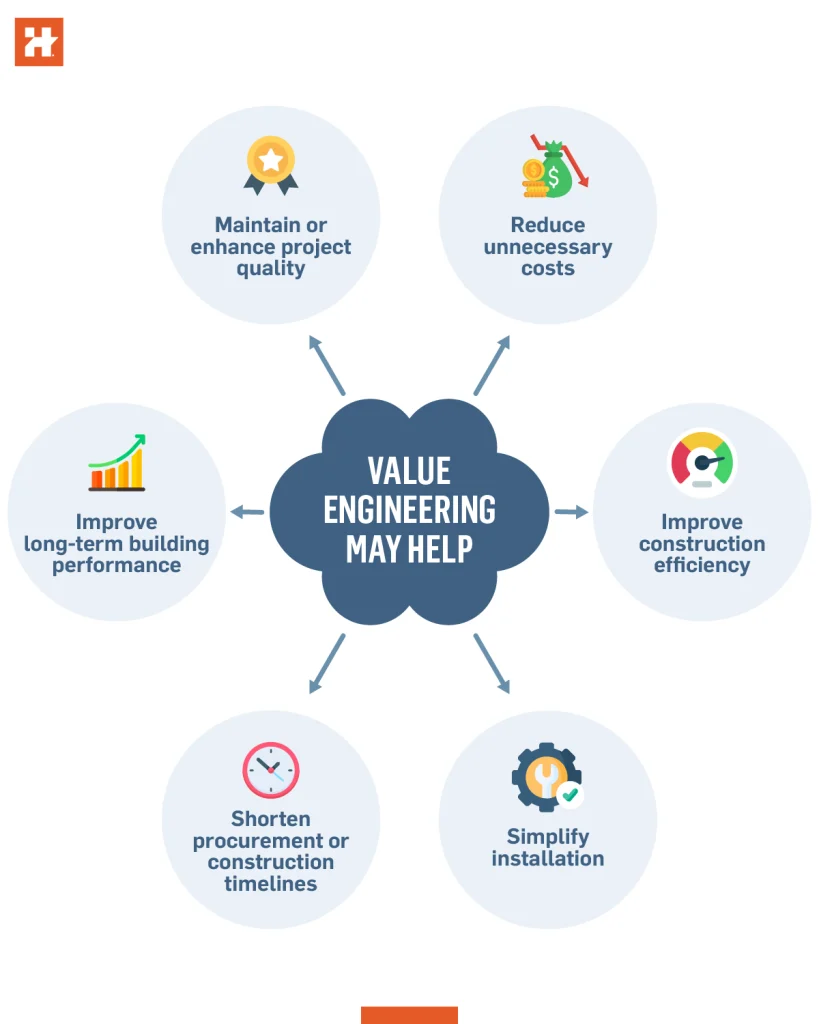
By evaluating these alternatives during preconstruction, owners can understand the potential cost, schedule, and performance impacts of each option before construction begins.
For example, the team might identify an alternative structural system that provides the required performance while simplifying construction and reducing installation time.
Because these evaluations happen before construction begins, owners have greater flexibility to compare alternatives and understand their implications before making a final decision.
7. Fewer Changes and Surprises During Construction
Changes during construction can affect cost, schedule, procurement, and productivity.
While no project can eliminate every unexpected condition, thorough preconstruction planning can significantly reduce avoidable surprises.
Early estimating, constructability reviews, BIM coordination, procurement planning, and risk analysis allow teams to identify potential issues while they are still relatively easy to address.
This creates a simple but important relationship:
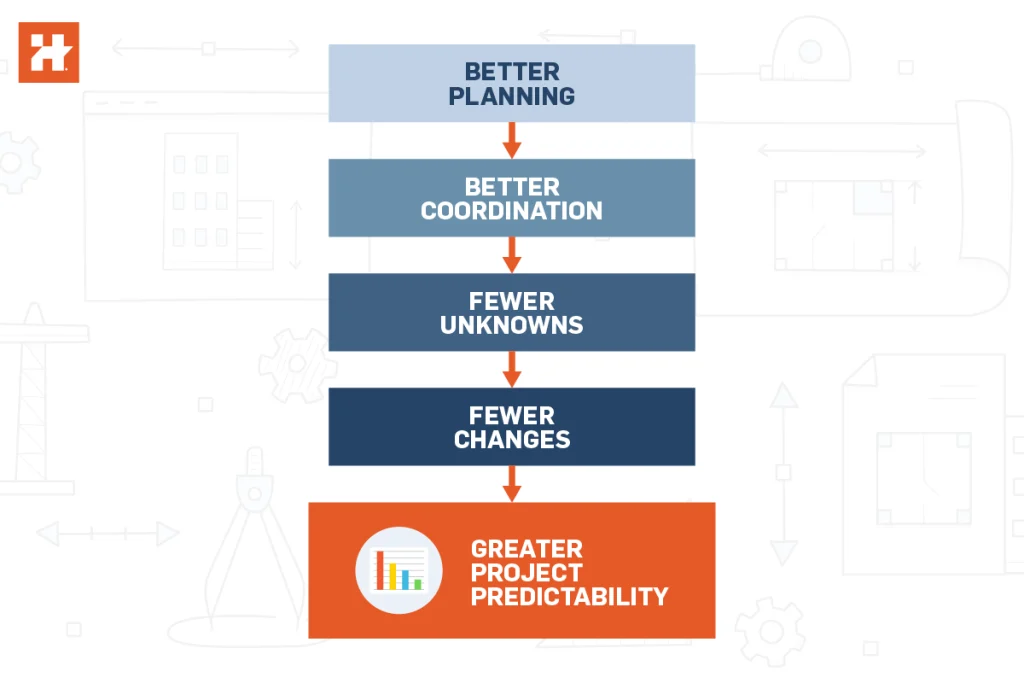
A design conflict discovered during preconstruction may require an adjustment to a digital model or drawing. The same conflict discovered after installation has begun on the field could require demolition, new materials, additional labor, and schedule adjustments.
Resolving issues earlier can therefore directly impact project performance.
8. Better Alignment with the Owner’s Business Goals
A successful construction project is not only about completing a building.
For an industrial owner, the facility may support a much larger business objective, such as:
- Launching a new product
- Increasing manufacturing capacity
- Entering a new market
- Expanding distribution capabilities
- Installing new production equipment
- Automating an existing operation
- Meeting a specific production start date
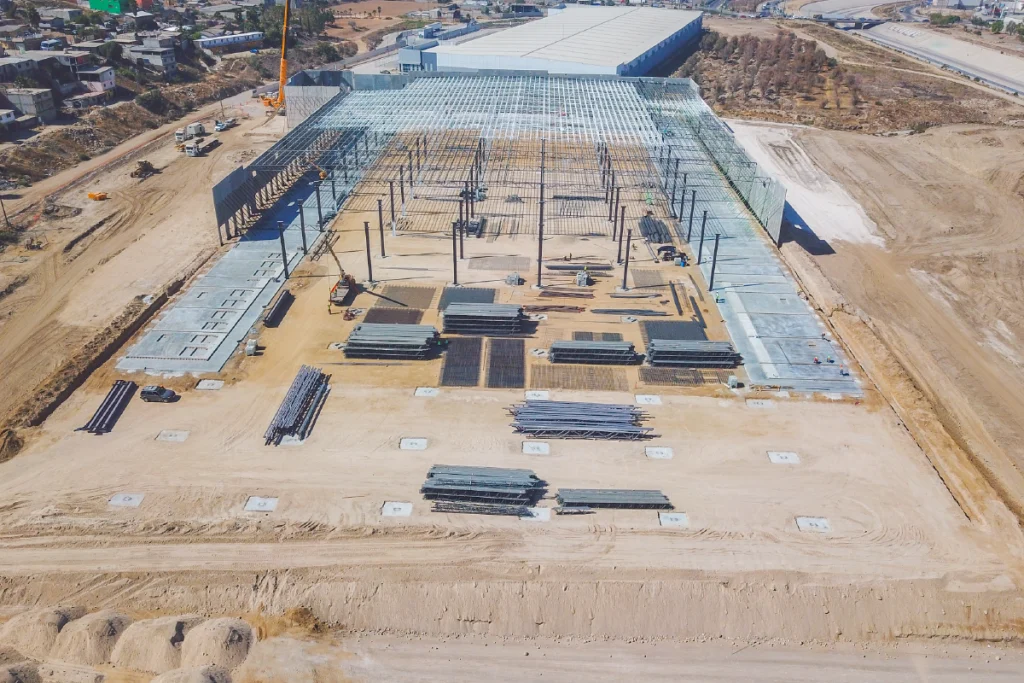
Preconstruction allows the project team to understand these objectives and incorporate them into the construction strategy.
For example, if production equipment must be installed by a specific date, the construction schedule can be developed around the areas and building systems required for that milestone.
In this sense, a successful project schedule isn’t simply one that meets the contractual completion date. It supports the owner’s broader operational goals. This alignment between construction planning and business objectives can be especially important for industrial projects where facility readiness directly affects operations.
Why Is Preconstruction Important?
The greatest advantage of preconstruction is the ability to make important decisions before those decisions become more difficult and expensive to change.
Through early collaboration, owners can gain a clearer understanding of project cost, schedule, constructability, risks, and procurement requirements before construction begins.
Ultimately, the benefits of preconstruction services come from making informed decisions earlier in the project lifecycle, when there is greater flexibility to make changes.
Effective preconstruction services can ultimately contribute to:
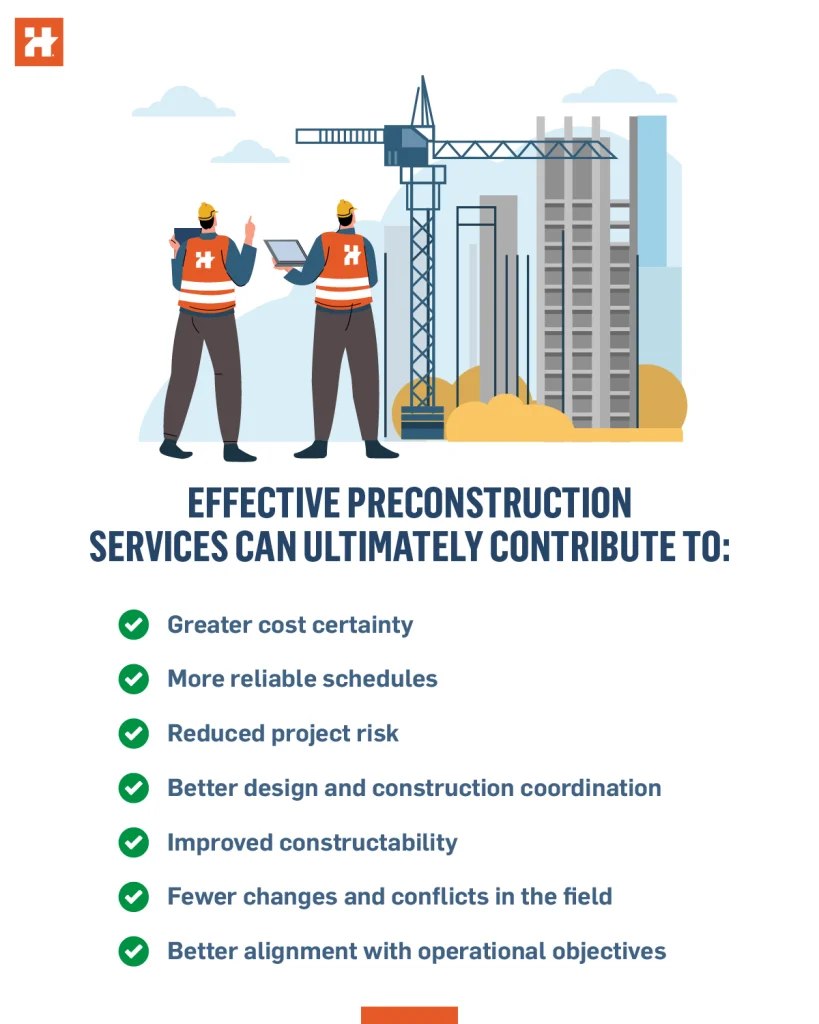
For complex industrial projects, this early planning can be particularly valuable because construction decisions often need to account for specialized equipment, demanding schedules, existing operations, and future growth.
Building With Greater Certainty
At Hermosillo, we believe successful projects begin with informed decisions.
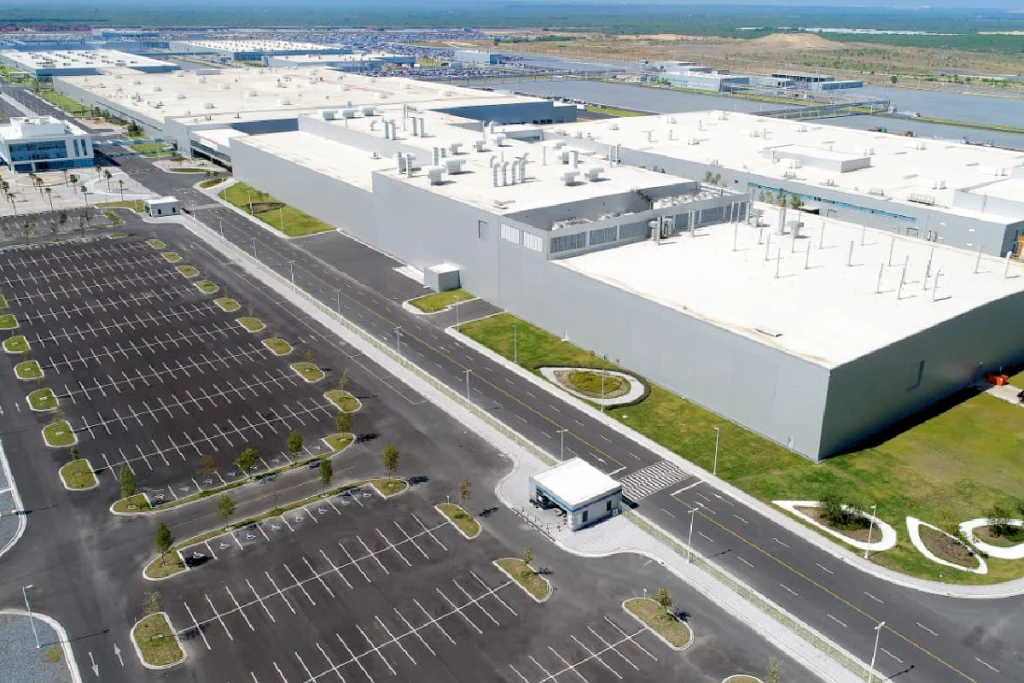
Our approach to preconstruction services brings together design, estimating, scheduling, constructability, technology, risk management and construction expertise early in the process. This collaboration allows our teams to identify opportunities, anticipate challenges and risks, and develop an execution strategy aligned with each client’s project and business objectives.
With more than 60 years of experience delivering projects across Mexico, we understand that predictability begins long before construction starts.
Planning your next industrial project in Mexico? Contact our team to learn how early collaboration and preconstruction planning can help you build with greater certainty.